Solvent-Based Spray Drying and Amorphous Solid Dispersions (ASD)
Scroll
Amorphous Solid Dispersions Core Capabilities
Delivering Critical ASD Product Properties
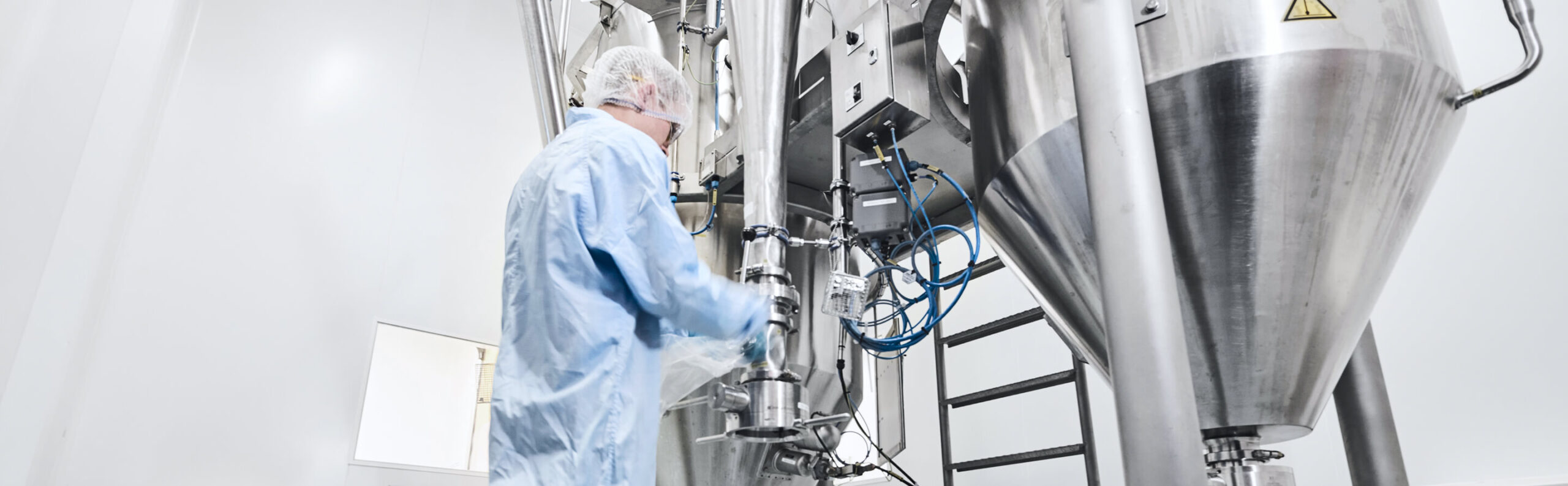
Codis enables oral bioavailability of DCS Class 2a, 2b, and 4 compounds through spray drying of amorphous solid dispersions. Our solvent-capable spray dryers operate in closed-loop mode under inert nitrogen gas and feature twin-fluid and high-pressure atomization capabilities, enabling us to target critical ASD product properties, such as particle size, flow characteristics, and compaction attributes. Our equipment is compatible with volatile process solvents, including acetone, methanol, ethanol, dichloromethane, and mixtures thereof.
ASD Formulation & Process
Possibilities include a variety of compendial material grades that cover neutral, enteric, and anti-enteric modalities.

Povidone & Derivatives

Polyvinyls

Polymethacrylates
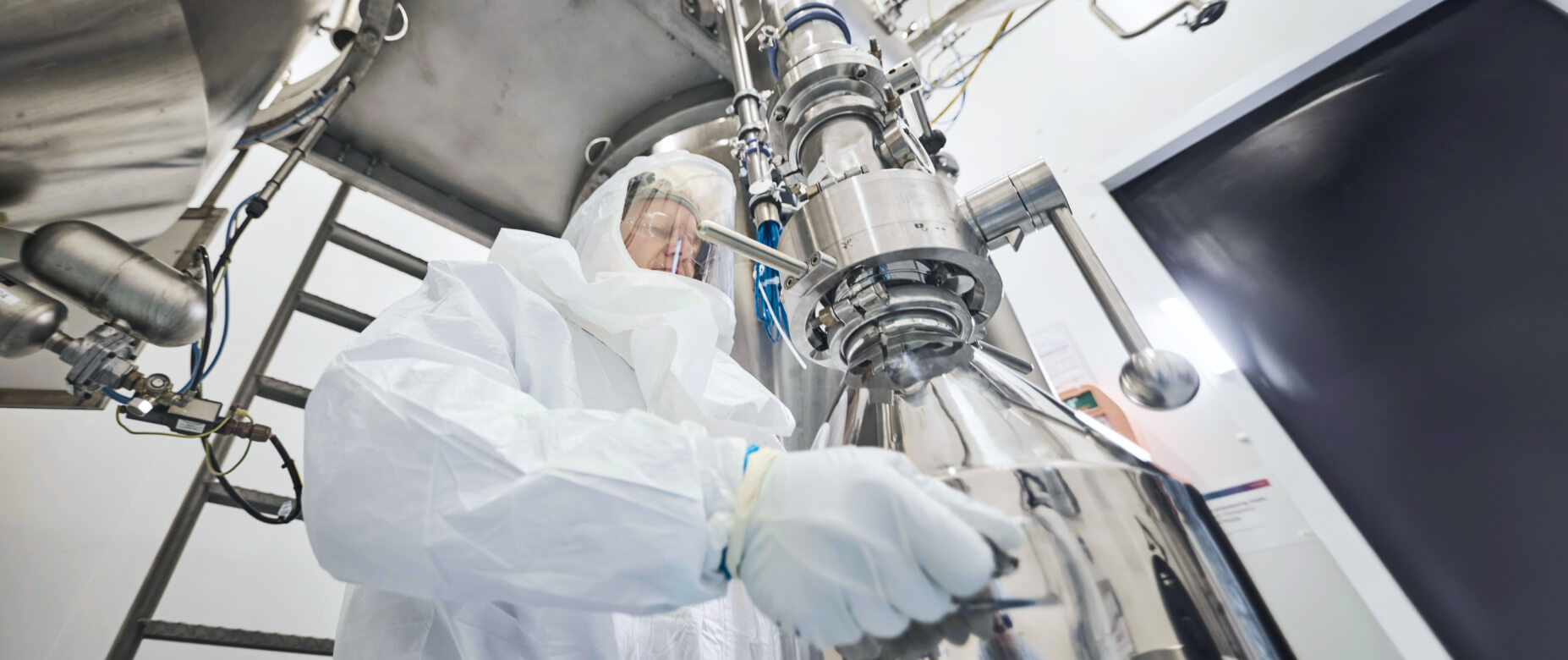
Codis provides integrated amorphous solid dispersion (ASD) formulation and spray drying services to help pharmaceutical product developers improve the solubility and oral bioavailability of challenging drug candidates. Our approach combines predictive modeling, material-sparing formulation screening, polymer and solvent-system selection, and advanced analytical characterization to identify viable formulations while reducing API consumption and development risk. Laboratory and pilot-scale spray dryers enable rapid evaluation of aqueous and organic-solvent systems and optimization of critical formulation and process parameters. Clinical materials of less than 1-2 kg can be produced on our cGMP ProCept SD1.
Programs can then progress into GMP scale-up and manufacturing using our GEA NIRO® PSD-1 and larger PSD-2 spray dryers. The PSD-2 accommodates batch sizes from 10 kg to 100 kg and feed vessels up to 4,000 L, supporting process scale-up, late-phase clinical supply, and small-scale commercial ASD production. Both platforms incorporate containment technologies for the safe handling of high-potency APIs at OEB4 containment levels of 1–10 µg/m³. Codis uses vacuum drying at smaller scale and EKATO SOLIDMIX® vertical vacuum drying technology for larger batches to reduce residual solvents to applicable ICH limits. This integrated pathway supports programs from early feasibility and lead selection through stability assessment, clinical development, and commercial supply.
Additional Spray Dried Product Types
Codis has the depth of experience and expertise to support your specialty products requiring aqueous or solvent-based spray drying. Whether powder for inhalation, nasal delivery, API isolation, or functional excipients, we’re here to help turn your ideas into quality products. Contact us to learn more about how we can apply our capabilities to manufacture your spray dried products.
What Is an Amorphous Solid Dispersion?
Learn more about the nature of amorphous solid dispersions
An amorphous solid dispersion homogeneously distributes an active pharmaceutical ingredient within a polymer matrix at a molecular level in a non-crystalline state. This higher-energy form can improve apparent solubility and dissolution rate, while the polymer helps stabilize the API and reduce the risk of recrystallization in both the solid state and aqueous environment. Successful development depends on the API, polymer, solvent system, target drug load, process conditions, and stability requirements.
Spray Drying vs. Hot Melt Extrusion for Amorphous Solid Dispersions
Spray drying and hot melt extrusion are both established methods for manufacturing amorphous solid dispersions. The best option depends on the physicochemical properties of the API and polymer, as well as development, safety, scale requirements and cost of goods.
Technology selection should follow molecule-specific feasibility work. A high melting point or thermal sensitivity may weigh against hot melt extrusion, while poor solvent solubility or solvent-handling constraints may weigh against spray drying.
Frequently Asked Questions About Spray-Dried ASDs
-
ASDs are commonly evaluated for poorly soluble compounds, including DCS Class 2a, 2b, and 4 candidates. Suitability depends on the molecule’s solubility, permeability, thermal properties, polymer compatibility, target dose, and stability profile. Spray drying offers a versatile solution for a wide range of compound types and is particularly well suited to compounds with thermal stability challenges, products which require complex particle engineering, or compounds needing scalable or significant commercial volume.
-
Codis equipment is compatible with a wide range of volatile process solvents including for example acetone, methanol, ethanol, dichloromethane, and mixtures of these solvents.
-
The PROCEPT SD1 supports batches from typically gram scale to 2 kg for development and early clinical supply. The GEA NIRO PSD-1 supports batches from typically 1 to 10 kg for development and early to late-phase clinical supply. The GEA NIRO PSD-2 supports batches from typically 10 kg to 70 kg for scale-up, early to late-phase clinical supply, and small-scale commercial production. The GEA NIRO PSD-4 supports batches from late-phase clinical to full scale commercial production with batch sizes in the hundreds of kg range.
-
Codis combines scalable equipment with process simulation, predictive modeling, physical characterization, and PAT to support a QbD approach and maintain consistent product quality across the lifecycle. In addition, Codis adopts a material sparing Design of Experiments (DoE) approach to onboarding to minimize material use and maximize design space.
Discover Codis
Explore how Codis applies its expertise in spray drying, microencapsulation, continuous granulation, final dosage forms, and functional products to meet your formulation and manufacturing needs.
-
Commercial Spray Drying
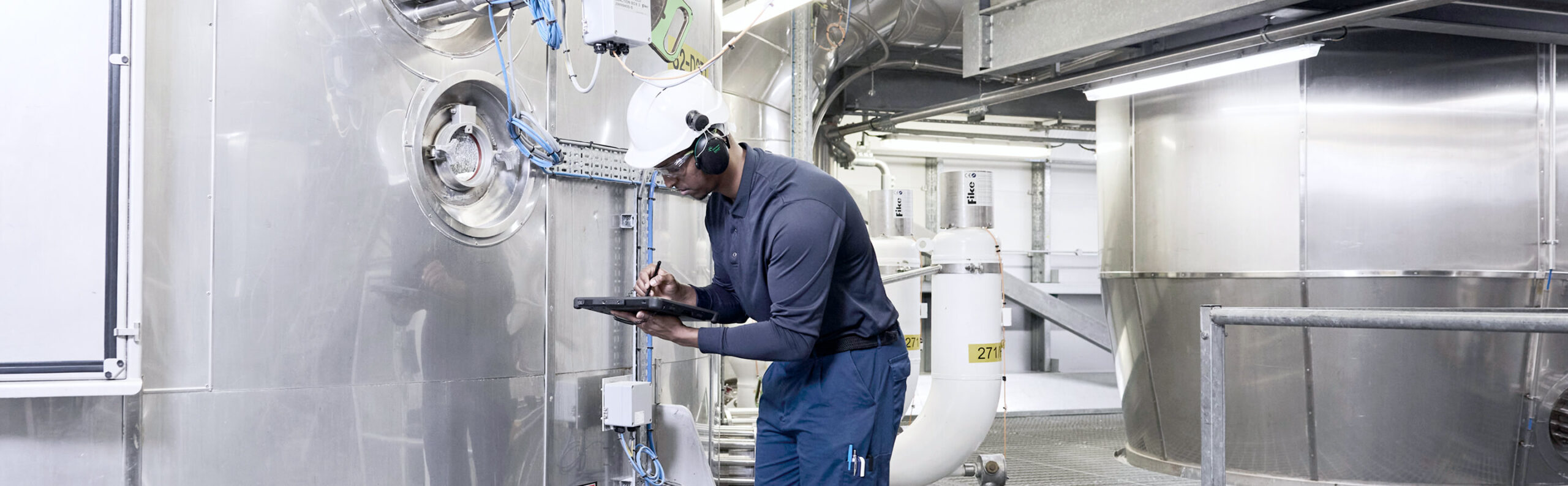
Full lifecycle, development, and production expertise for high-volume commercial aqueous spray drying.
-
Codis Amorphous Solid Dispersion (ASD)
Industry-leading know-how to design, scale, and manufacture amorphous solid dispersions for improved bioavailability of poorly soluble compounds.
-

Microencapsulation
Proprietary microencapsulation processes to improve taste, odor masking, stability, or release profile.
-
Continuous Granulation
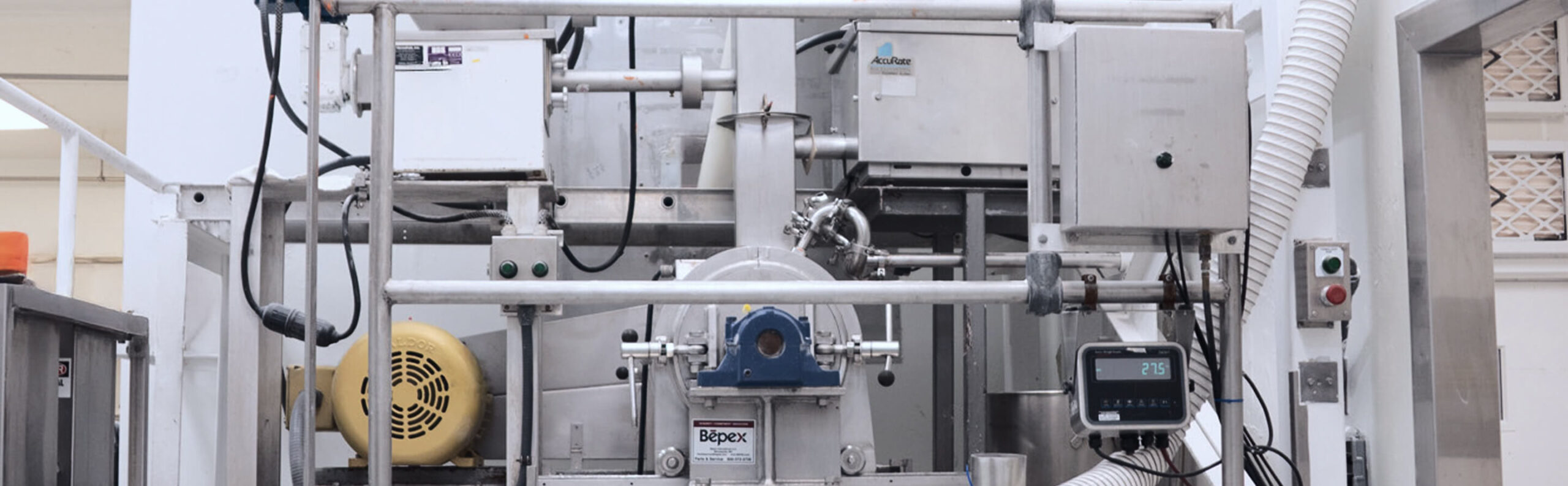
Continuous high-shear granulation to improve flow, compressibility and disintegration.
-
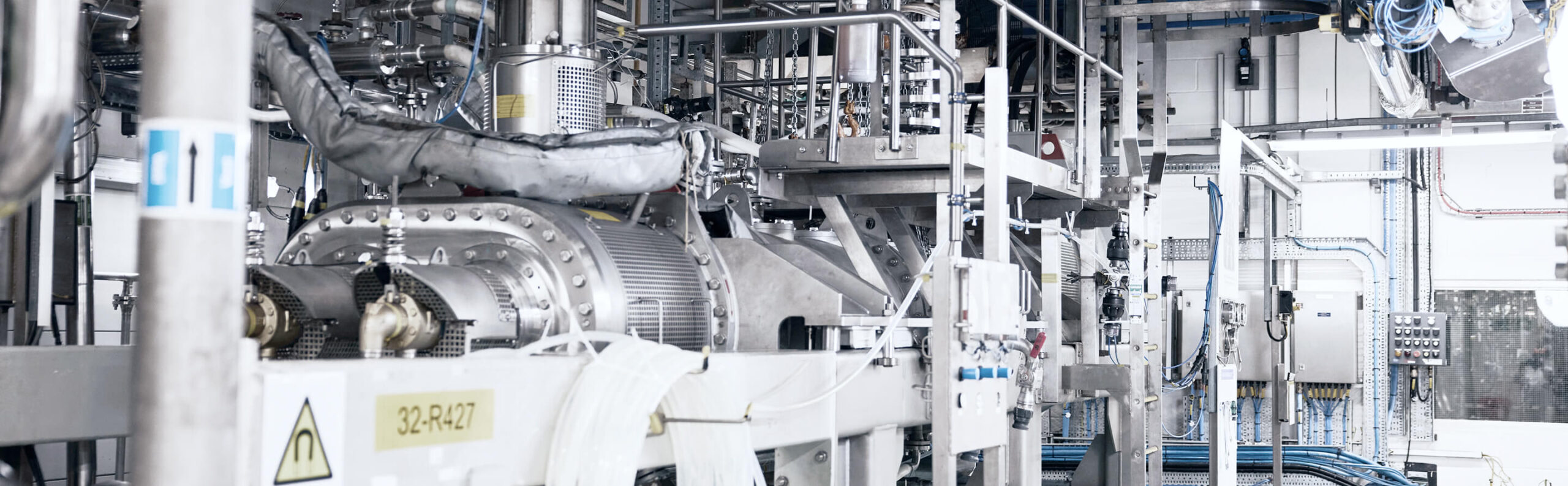
Organic & Polymer Chemistry
Advanced organic synthesis and polymer engineering, enabling robust, scalable manufacturing.
-
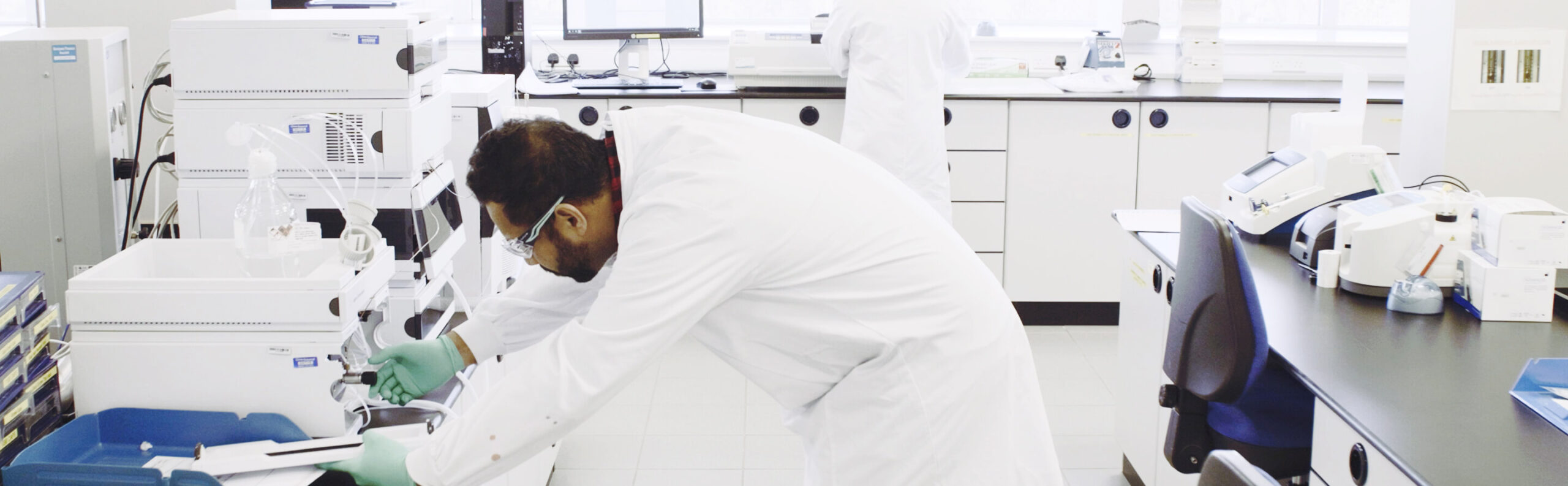
Analytical Services
State-of-the-art instrumentation combined with data-science–driven PAT to provide method development, validation, release, and stability testing services.
-
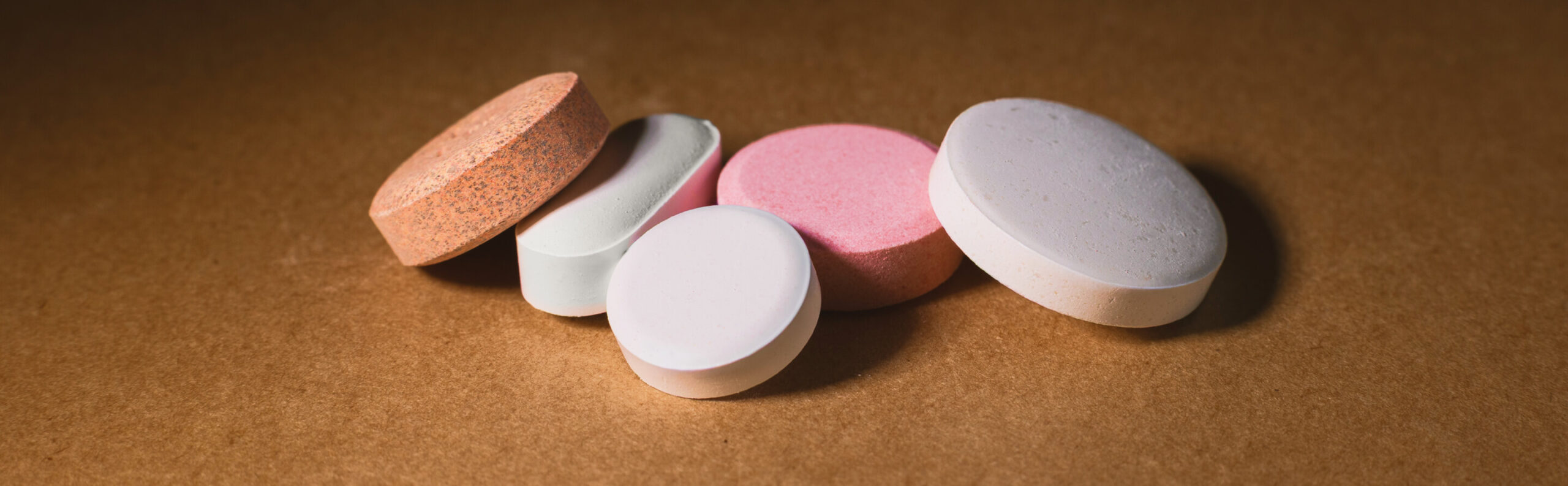
Final Dosage Forms
Leading global experts in direct compression and two-piece encapsulation products for vitamin, mineral and supplement markets.
Codis Insights & Updates
Stay current with the latest in particle engineering science and Codis articles and resources.
Connect with us to explore how our particle engineering, commercial spray drying, formulation, and advanced manufacturing capabilities deliver high-quality, dependable supply for even the most challenging products.