Continuous Granulation
Scroll
Advanced Continuous Granulation Technology
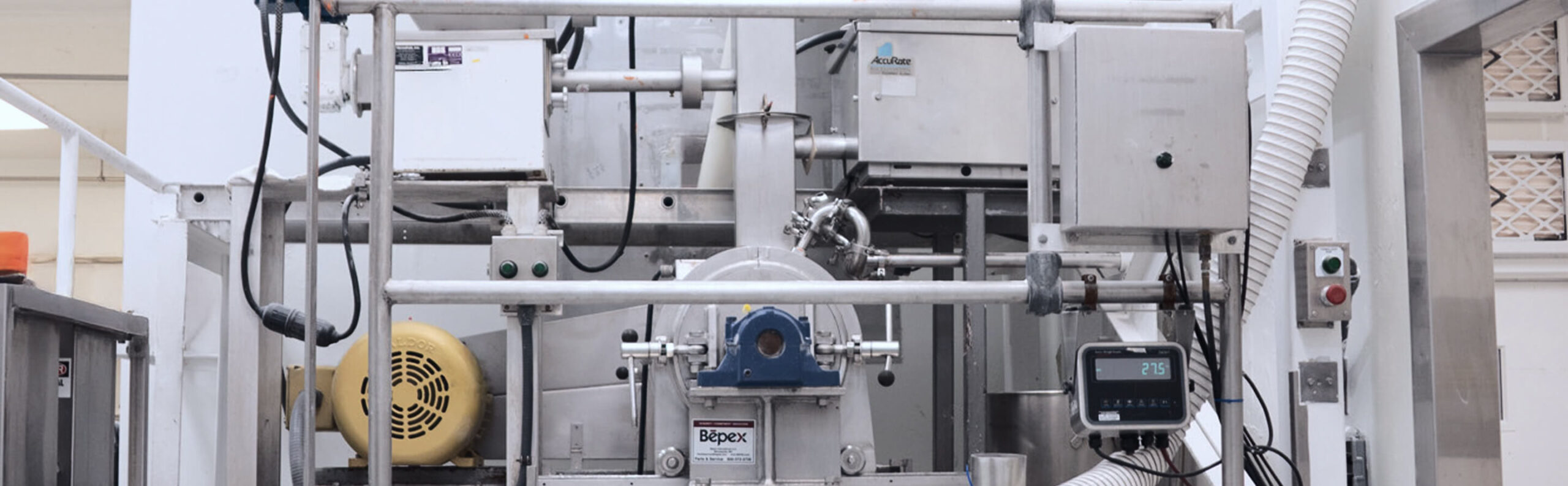
Our granulation technology combines multiple unit operations, including mixing, coating, hydrating, and homogenizing, into a continuous process that transforms raw powders into uniform, high-performance granules. Wet and dry ingredients are fed simultaneously, with precise control over shear, mixing intensity, and residence time to achieve consistent particle size, density, and flow properties.
Codis Continuous Granulation Advantages & Applications
Our continuous granulation capabilities offer clear advantages for tablets, bars, and powders, including:

Integrated multi-step processing
allows continuous mixing, coating, hydrating, and homogenizing functions to work seamlessly together for maximum efficiency and product quality

Concurrent ingredient feeding
meters multiple wet and dry ingredients simultaneously for consistent granule composition

Flexible process control
adjusts residence time, mixing intensity, and shear to meet exact product requirements

Continuous manufacturing
minimizes lot-to-lot variation, enables larger batch runs, and correspondingly reduces testing costs

Optimized particle properties
yield high-density granules with excellent flow characteristics, reducing dust, and facilitating streamlined downstream processing

Strategically engineered particles
improve mouthfeel and/or drug release
How Does Continuous Granulation Work?
Discover the process and benefit of granulation in compound development
Codis utilizes a continuous paddle mixer to achieve near-instantaneous mixing or agglomeration of liquids and solids. Utilizing a high-speed rotor with adjustable paddles, the granulator creates intense turbulence with short residence times, resulting in high-volume production of homogenous, dust-free particles. Wet and dry ingredients are fed into the process at the same time. Codis controls shear, mixing intensity, ingredient feed, and residence time as the material moves continuously through integrated mixing, coating, hydrating, and homogenizing steps. The result is a consistent, high-density granule designed for improved flow, reduced dust, efficient downstream processing, and targeted mouthfeel or release performance.
Spray Drying vs. Continuous Granulation
The use cases for matching the optimal process to the needs of your program
Spray drying and continuous granulation are both particle engineering technologies, but they begin with different feed forms and solve different formulation problems.
Experience, Quality and Trust
Facility Highlights
-
Manufacturing Facility:
St Louis, Missouri, USA
-
Total Annual Capacity:
1,750 metric tons
-
Minimum Batch Size:
3,000 kilograms
-
Typical Processing Rate:
50-1,000 kg/hr
-
Compliance:
The facility and its processes comply with US FDA 21 CFR Parts 210/211, 110/111, and 117, as well as EU drug certification standards.
-
Standard Products:
Direct compression calcium carbonate, Methylcellulose
-
Custom Products:
Wide variety of Rx, consumer health, and nutraceutical products. Contact us to get started.
Frequently Asked Questions About Continuous Granulation
Explore popular questions and topics on our continuous granulation services
-
Continuous granulation meters ingredients into an uninterrupted process that mixes, hydrates, coats, and homogenizes powders into uniform granules. Process parameters are controlled as material moves through the system rather than in a fixed batch vessel.
-
Codis uses continuous granulation to target particle size, density, flow, compressibility, disintegration, mouthfeel, release performance, and reduced dust during downstream processing.
-
At the St. Louis facility, Codis publishes a typical processing rate of 50 to 1,000 kg per hour, a minimum batch size of 3,000 kg, and total annual capacity of 1,750 metric tons.
-
Codis supports pharmaceutical, consumer health, OTC, and nutraceutical products. The technology is positioned for tablets, bars, powders, and other applications that benefit from engineered granule properties.
Discover Codis
Explore how Codis applies its expertise in spray drying, microencapsulation, continuous granulation, final dosage forms, and functional products to meet your formulation and manufacturing needs.
-
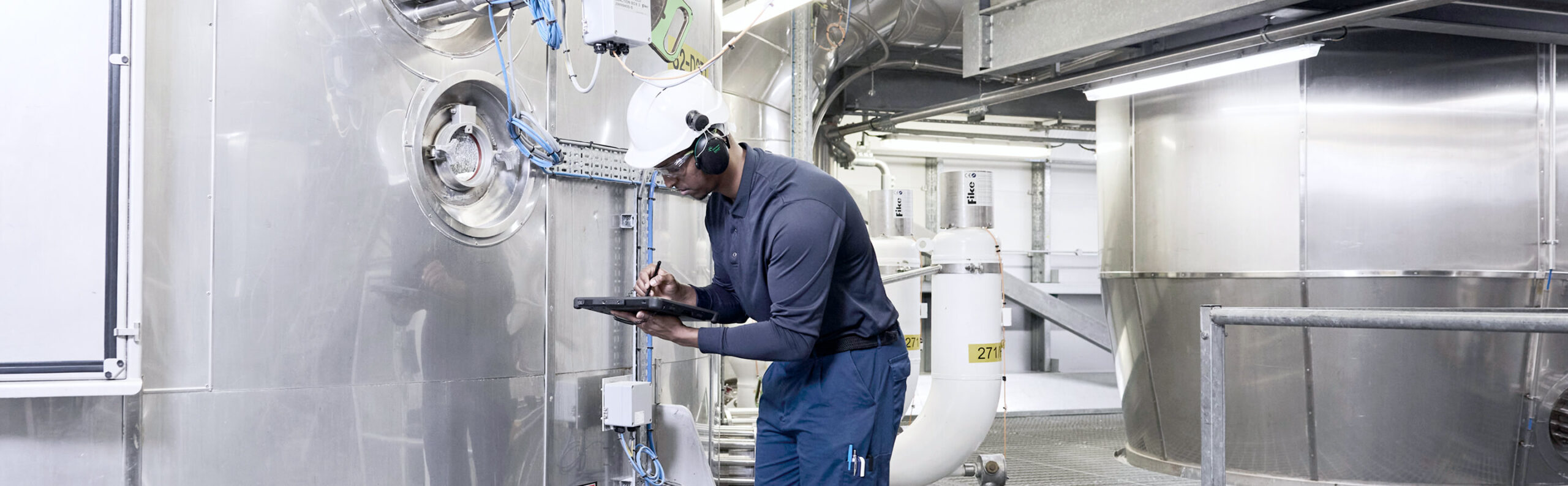
Commercial Spray Drying
Full lifecycle, development, and production expertise for high-volume commercial aqueous spray drying.
-
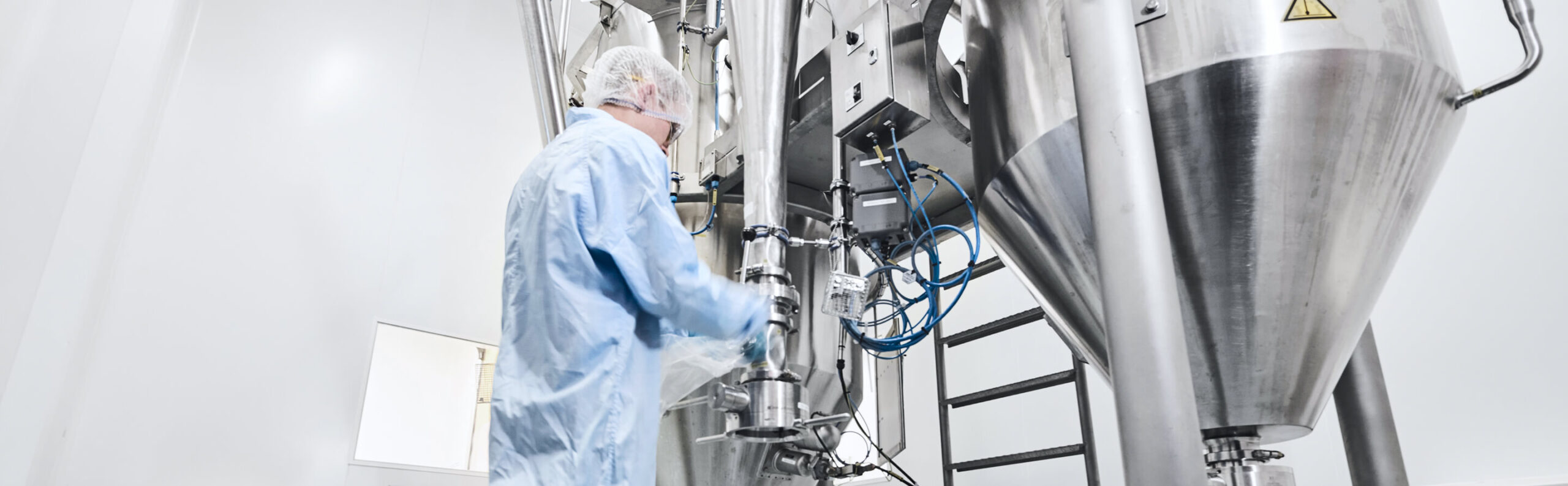
Codis Amorphous Solid Dispersion (ASD)
Industry-leading know-how to design, scale, and manufacture amorphous solid dispersions for improved bioavailability of poorly soluble compounds.
-
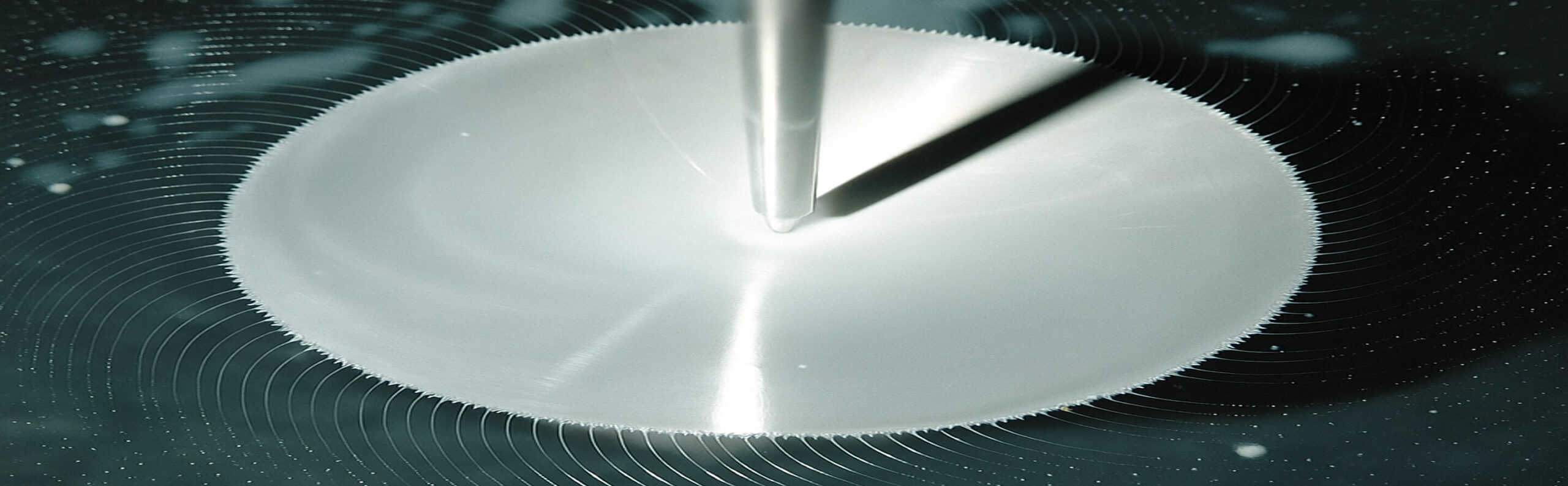
Microencapsulation
Proprietary microencapsulation processes to improve taste, odor masking, stability, or release profile.
-
Continuous Granulation
Continuous high-shear granulation to improve flow, compressibility and disintegration.
-
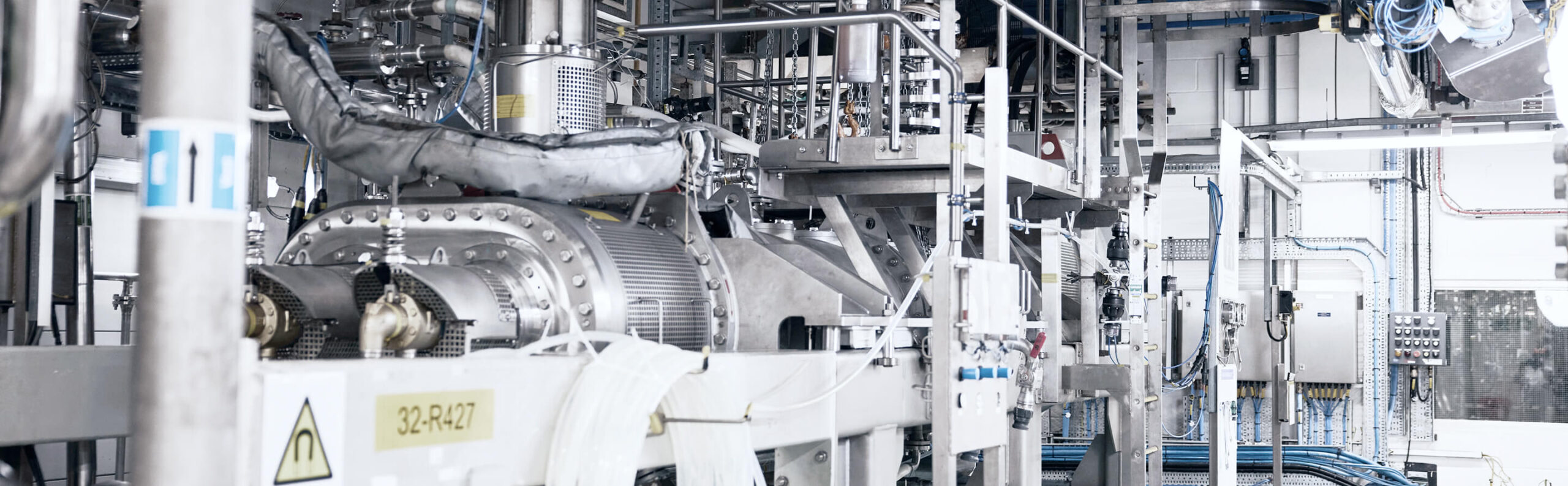
Organic & Polymer Chemistry
Advanced organic synthesis and polymer engineering, enabling robust, scalable manufacturing.
-
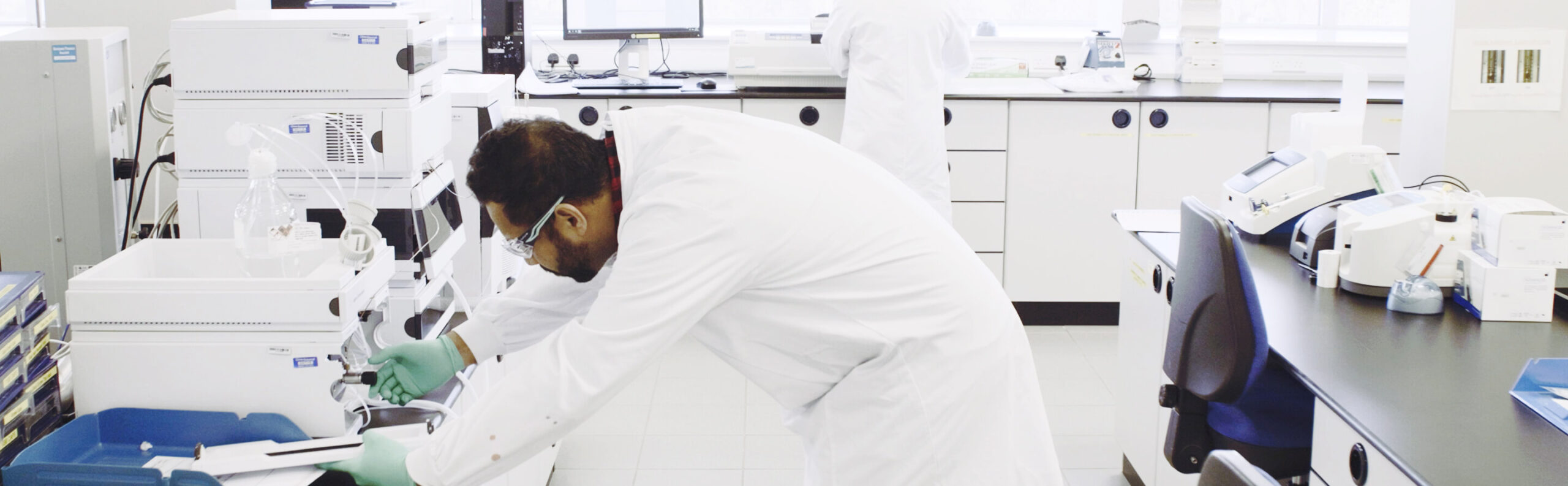
Analytical Services
State-of-the-art instrumentation combined with data-science–driven PAT to provide method development, validation, release, and stability testing services.
-
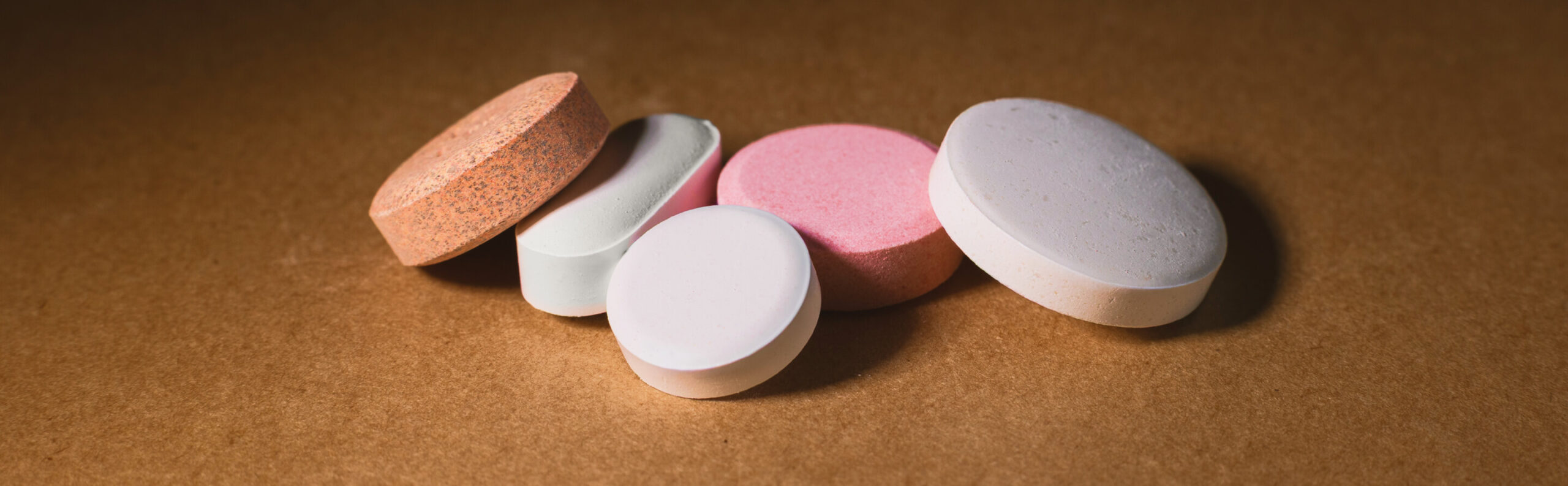
Final Dosage Forms
Leading global experts in direct compression and two-piece encapsulation products for vitamin, mineral and supplement markets.
Codis Insights & Updates
Stay current with the latest in particle engineering science and Codis articles and resources.
Connect with us to explore how our particle engineering, commercial spray drying, formulation, and advanced manufacturing capabilities deliver high-quality, dependable supply for even the most challenging products.